
AICodexComputer Use
When AI Left the Screen and Fixed My Freezer
I used Codex with Computer Use and Bambu Studio to turn measurements, photos, and a few failed fits into a freezer repair and a custom iPhone stand.
•6 min read
Essays from inside the work: product judgment, enterprise AI, platform economics, and what building real systems changes about the argument.
I used Codex with Computer Use and Bambu Studio to turn measurements, photos, and a few failed fits into a freezer repair and a custom iPhone stand.

The mature AI skill is no longer reaching for the strongest model. It is routing each job to the smallest tool that can finish it without creating cleanup debt.

Stop asking which machine wins. Start with what breaks first in your workflow. A practical hardware framework built from what failed on my M3 Air.
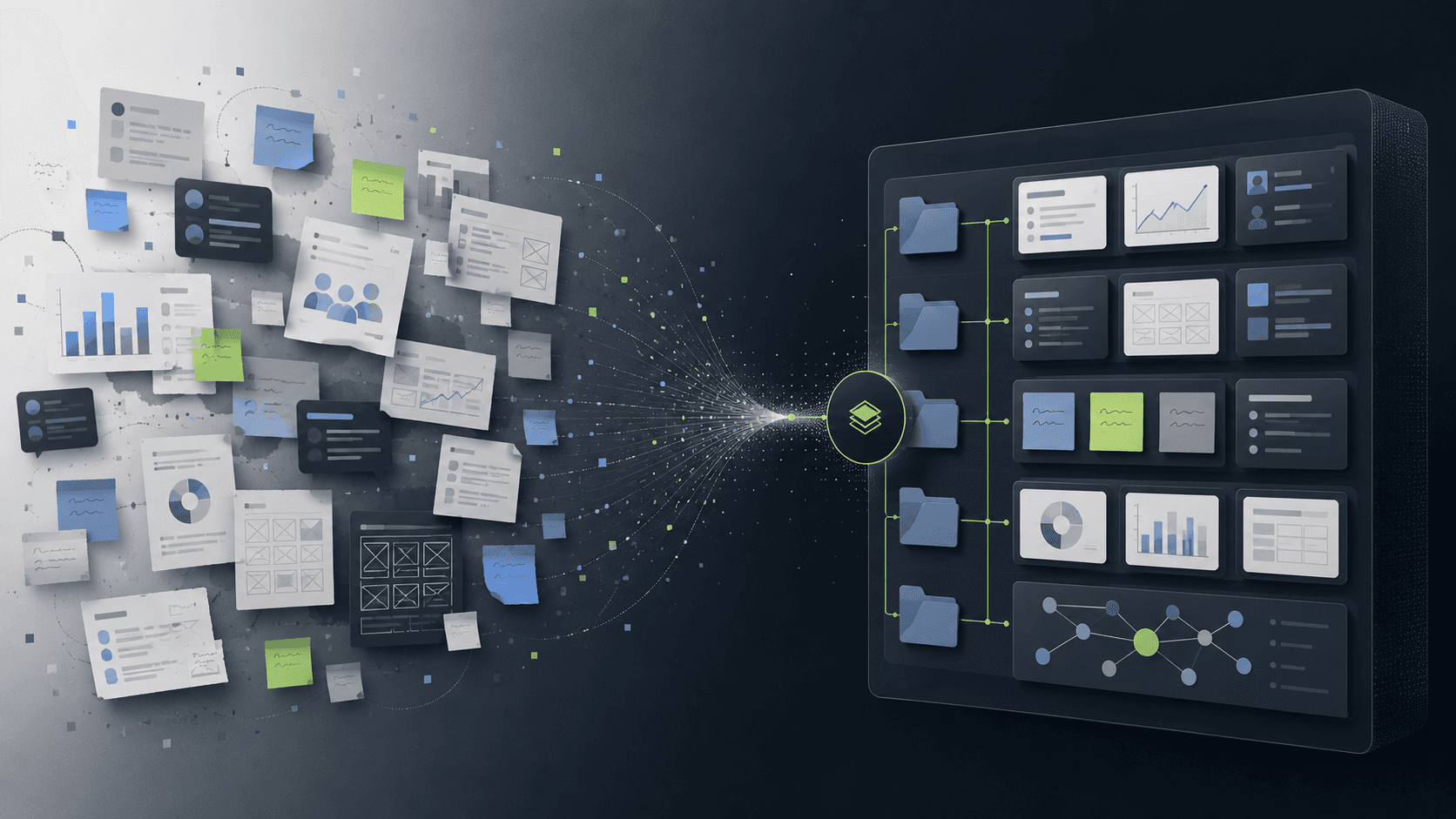
Long-running AI tasks work best when they have a durable work environment. Coding has repos. Product management mostly has scattered context. That gap is the next AI bottleneck.

Once agents write into your workflow, the question isn't which model you picked. It's who owns the context the agent is reading from, and whether your team has staffed for it.
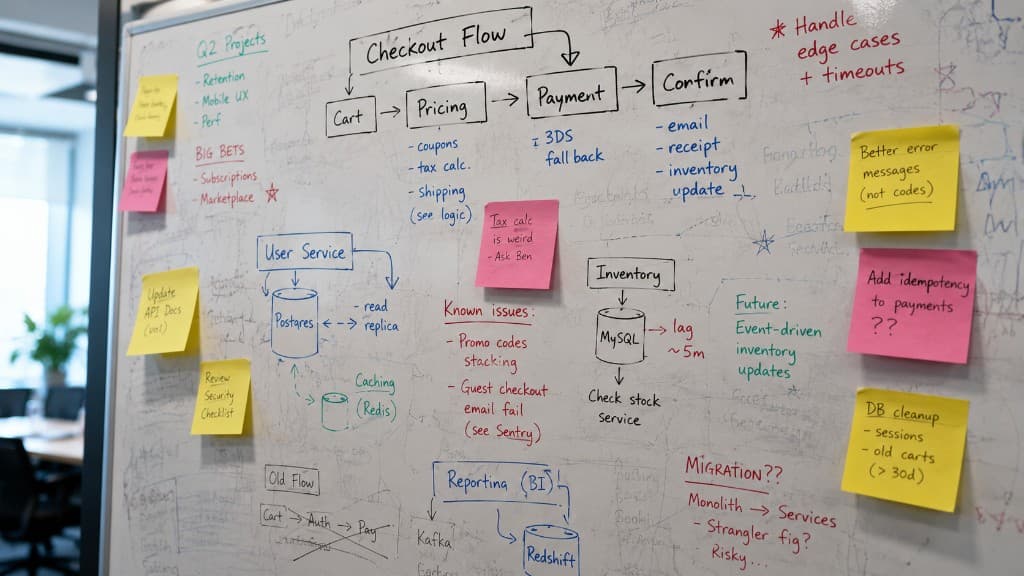
Humans build context over months and learn when to act versus when to ask. Agents predict forward on whatever they're given. That gap is the product operations problem of 2026.

Anthropic does not have enough compute. That part is real. The harder question is whether buying far ahead of consumer demand would have been discipline, or another Peloton.

When software creation gets cheap, trust and discovery become the moat. Apple should be building that layer, not blocking it.
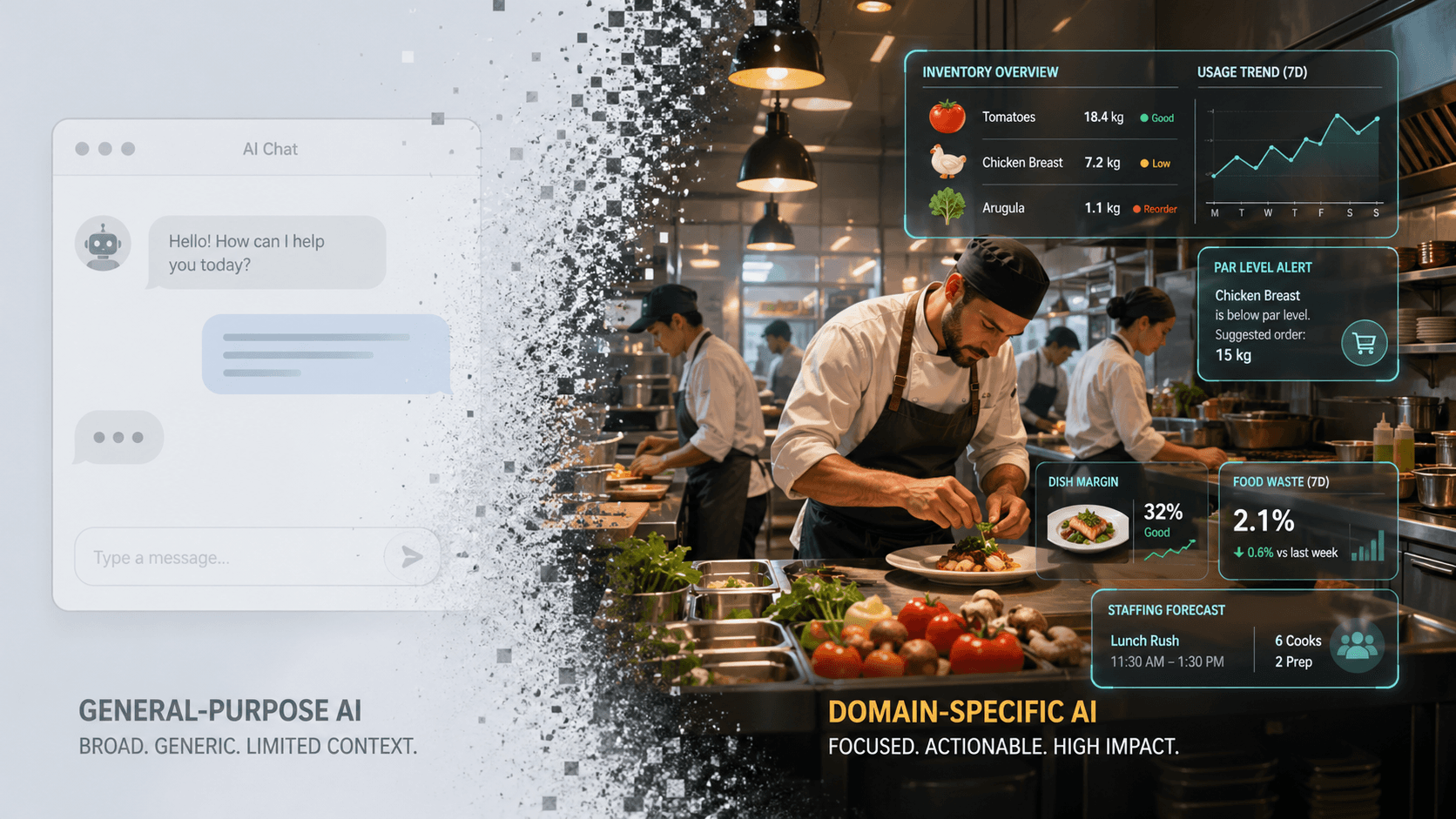
If Perplexity-style harness companies are in trouble, what actually works? The answer isn't building everything apps — it's building solutions to problems people don't know they have yet.

I've paid for Perplexity alongside ChatGPT, Claude, and Gemini for years. The harness is best-in-class. But when your moat is something the major labs can build themselves, you're one product cycle away from being a feature.
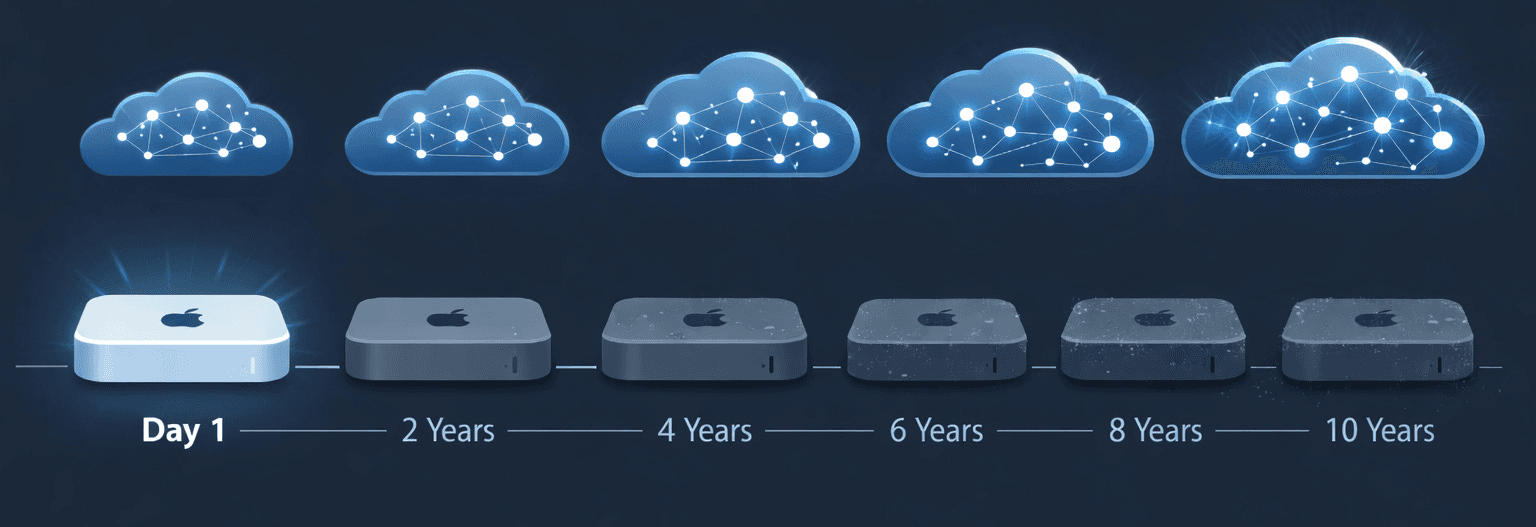
Local inference is a real tool. But treating a one-time hardware purchase as a decade-long hedge against cloud AI subscriptions is bad math and worse strategy.
Everyone can generate code now. The lasting value isn't in the prompt. It's in the years of domain knowledge that tell you what to build.
Why Anthropic's product focus on compounding knowledge-work workflows may be its biggest strategic advantage.

The ClawdBot/OpenClaw moment highlights two competing platform strategies: enterprise control versus ecosystem gravity.
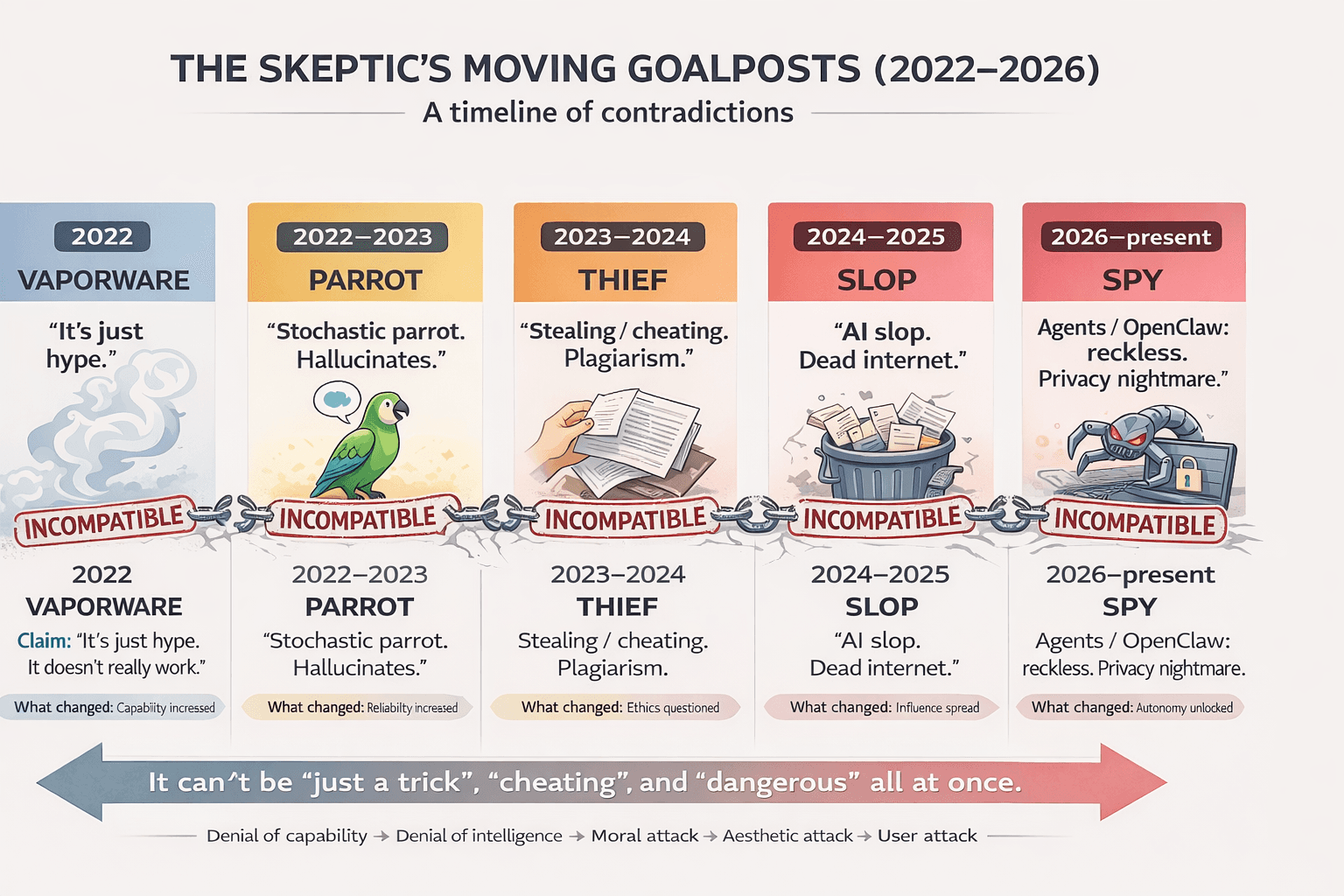
AI skepticism has shifted from questioning capability to questioning character. When predictions fail, identity becomes the battleground.
How I used Claude Code, Cursor, and modern AI tools to build a personal site that demonstrates the very principles it preaches.
Most teams' documentation isn't ready for agentic AI. Here's how to go from patchy tribal knowledge to RAG-first content that makes your agents actually useful.
What if consciousness transfer isn't the gift of immortality we imagine — but an inescapable trap? A philosophical exploration of identity, copies, and digital existence.
YouTube videos and podcasts keep promoting 'brilliant' startup ideas that fall apart once you run the math. Here's how to pressure-test before you bet the house.